Monitoring

Monitoring: The Foundation of Human Rights Documentation

The Importance of Monitoring in Human Rights

Monitoring is the foundation of credible human rights work. Without accurate, continuous observation of violations, there can be no accountability, no meaningful advocacy, and no reliable understanding of what communities are facing. Effective monitoring ensures that abuses are not hidden, minimized, or forgotten. It transforms individual experiences into documented evidence that can be used to protect victims, challenge perpetrators, and inform national and international action.
Human rights monitoring is especially critical in Sudan, where conflict, displacement, and restricted civic space make it difficult for victims to report violations safely. By documenting incidents systematically, we help preserve the truth, support justice efforts, and strengthen the broader human rights movement.

What We Monitor

How We Conduct Monitoring

Ensuring Accuracy and Safety

We document a wide range of human rights violations affecting Sudanese civilians, including attacks on civilians, arbitrary detention, enforced disappearance, sexual and gender‑based violence, restrictions on humanitarian access, and violations of fundamental freedoms. We also monitor the impact of conflict on essential services, displacement patterns, and risks faced by vulnerable groups. This broad scope ensures that our documentation reflects the lived realities of communities on the ground.
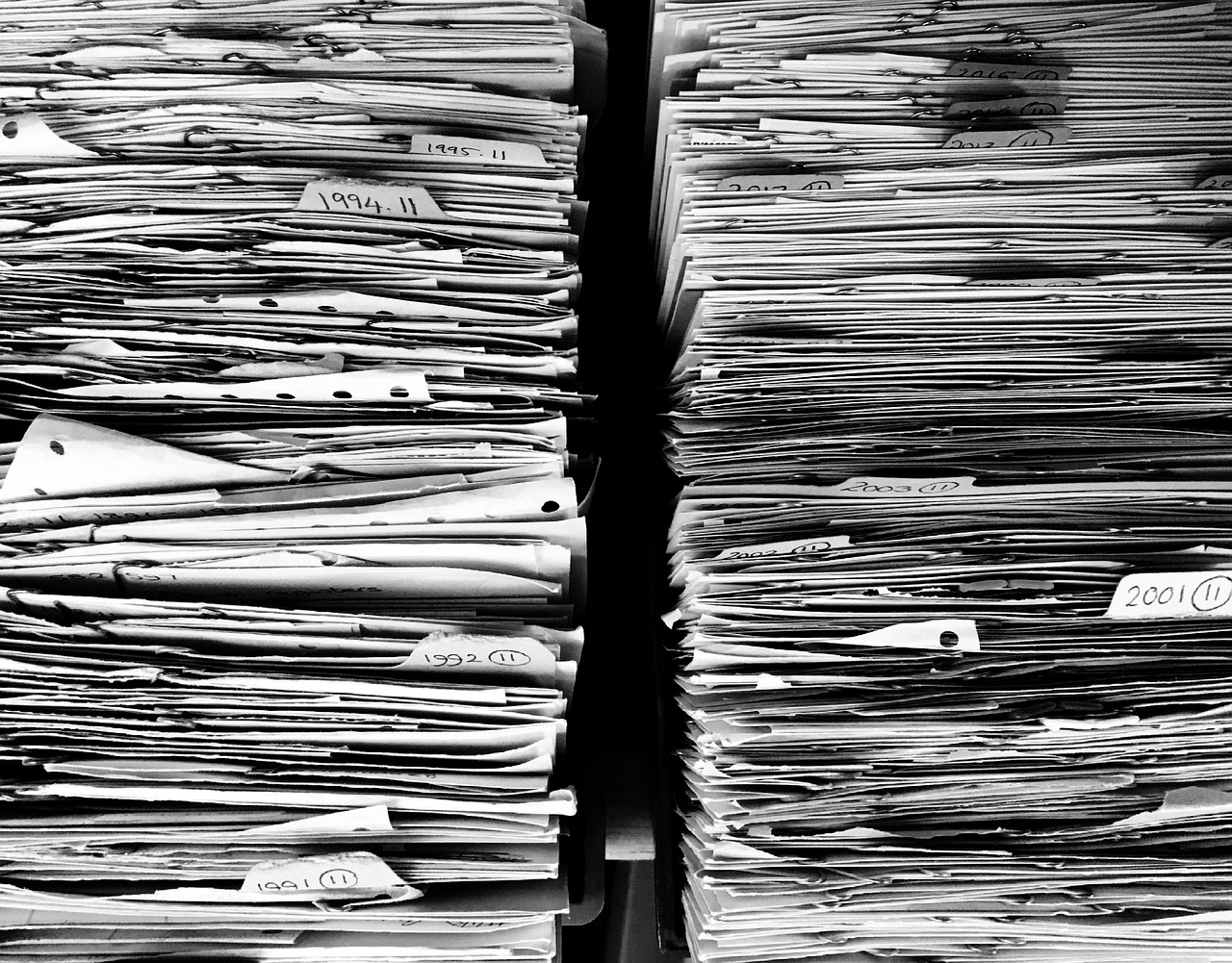
G6a147ac916d30ad1837e381ba73f0531194db0152140c73886f03732536021b515cfba9cbab478f659a4f19ffb4fe3e4d504cdf313668b97895cba340e8f7c9e 1280 1614223

Our monitoring work follows established human rights standards and prioritizes accuracy, safety, and independence. We do all what we can to:
Collect firsthand and secondary information from trusted sources.
Verify incidents through cross‑checking, evidence review, and consultation with local resources and networks.
Document violations systematically, using structured forms and secure digital tools to ensure consistency and reliability.
Advice community members and partners on safe monitoring, documentation, and reporting practices.
Analyze patterns and trends to understand the scale and nature of violations.
Share findings responsibly with relevant organizations, legal bodies, and advocacy partners to support accountability and protection efforts.
Our approach combines community‑based monitoring, digital documentation, and collaboration with Sudanese and international human rights actors. This ensures that every incident we record contributes to a clearer picture of the human rights situation and strengthens the collective effort to protect civilians and uphold justice.

Accuracy and protection guide every step of our monitoring work. We verify information through cross‑checking, triangulation, and consultation with trusted local networks.

Sensitive details are handled with strict confidentiality, and we use secure communication methods to protect sources. This approach ensures that every documented incident is both credible and responsibly managed.

Gf1171c70289642b20b258c5c768aa87b3dd964343e8332c1915b2d0ecf5fb565c5e4743c2c043c8aaac96ebb23c29d10526b03a1d49439f5da14afe28d537f9e 1280 1707721

Building Our Monitoring Capacity

Although we are not yet providing full training programs on human rights monitoring, this area remains one of our highest priorities. As we continue strengthening our documentation systems and expanding our network, developing structured training for community members, volunteers, and partner organizations is our next planned step. Our goal is to equip local actors with the skills needed to monitor violations safely, accurately, and consistently—ensuring that future documentation efforts are stronger, more coordinated, and more protective of those at risk.


SHRA Logo April2026 Arabic Down

Scroll to Top